
When great trees fall
A long one about grief.

This post is dedicated to Desmond Slatter. Champion dart thrower, master chef, Fiji Bitter-drinker, and life of the party.
On my 18th birthday, many moons ago, my mother gifted me a collection of poems titled “Celebrations, Rituals of Peace and Prayer” by African American writer and poet, Maya Angelou. The poems in this collection were written for a seemingly random collections of events — a presidential inauguration, a bar mitzvah, the United Nations 50th anniversary etc. But one particular piece stayed with me for over a decade and has kept me company through these past weeks in particular.
When Great Trees Fall
Maya Angelou
When great trees fall,
rocks on distant hills shudder,
lions hunker down
in tall grasses,
and even elephants
lumber after safety.

When great trees fall
in forests,
small things recoil into silence,
their senses
eroded beyond fear.

When great souls die,
the air around us becomes
light, rare, sterile.
We breathe, briefly.
Our eyes, briefly,
see with
a hurtful clarity.
Our memory, suddenly sharpened,
examines,
gnaws on kind words
unsaid,
promised walks
never taken.

Great souls die and
our reality, bound to
them, takes leave of us.
Our souls,
dependent upon their
nurture,
now shrink, wizened.
Our minds, formed
and informed by their
radiance, fall away.
We are not so much maddened
as reduced to the unutterable ignorance of
dark, cold
caves.

And when great souls die,
after a period peace blooms,
slowly and always
irregularly. Spaces fill
with a kind of
soothing electric vibration.
Our senses, restored, never
to be the same, whisper to us.
They existed. They existed.
We can be. Be and be
better. For they existed.
This was written and read for the funeral of James Baldwin, another African American literary great. I initially didn’t think too deeply about Angelou’s use of nature as an extended metaphor for grief, I just loved the way it read and the way it made me feel. Upon further reflection, I began to notice the natural journey in her stanzas: the shock of death shaking even the greatest of beasts, the silence and pocket of time where reality feels distorted, the devastation and isolation in dark cold caves, and the blooming of life after loss. The stages of grief so clearly painted, and the impact of Baldwin’s life immortalised in the way a forest feels the loss of one of its own.
All of this seemed beautiful…until I grieved for my own.
The past year forced me to reckon with loss in ways that, for a time, made me despise all things hopeful. It made me cynical and angry. It turned me into a hypocrite after all the encouraging words I had written to comfort friends over the years. Early last year, after a devastating miscarriage, I looked for solace in nature and tried to turn my grief into beauty in the same way Angelou’s poem did for Baldwin. Instead it made me even angrier. Kind words and reassurances of “It will happen when the time is right” and “they’re in a better place” fell on steely ears and a broken heart. I attempted to pen these feelings and ended up with a piece quite different to the poem I so loved.
Untitled
Drue Slatter-Lilidamu
Grief is a shadow that sits in the pit
of your stomach.
It stretches its arms and flexes its fingers
And spreads out over your hips
and your chest
And your neck and your knees
It cracks its knuckles and whispers to check
if your heart is beating.

I'm told one day the shadow becomes
a night sky.
The cracked knuckles become stars and the
whispers become wind
And your neck and your knees
will bend but not break.
But right now there is no sky
and there is no wind
There is only a shadow and an empty pit.
It is evident that I am no Angelou and that there is not much technique applied here. This was not meant to be read aloud and inspire, as Baldwin’s tribute was. It was meant to dull the punches that pummelled my heart and my gut. It was meant to cloak the tears I screamed into my pillow each night. I was not ready to think of blooms and soothing electric vibrations, of peaceful forests with fond memories of lives lived. All I was able to pull from nature was the dark of the night, and the scraping of gravel and stone. This was a different type of grief to the one that Angelou talked about. It was mourning for what could have been — what should have been — rather than the grieving of what was.
It wasn’t until a few weeks ago that I truly understood what Angelou wrote, and what it meant to mourn (and eventually celebrate) a great life lived. A life that existed.
I lost one of the most important men in my life this month. I learnt what it meant to watch a great tree fall and shake the forest of your existence, to retreat to a dark cold cave without them and pray for a Spring that felt like it would never come. The earth cracked when I received that phone call, and I knew I would never see my father again.
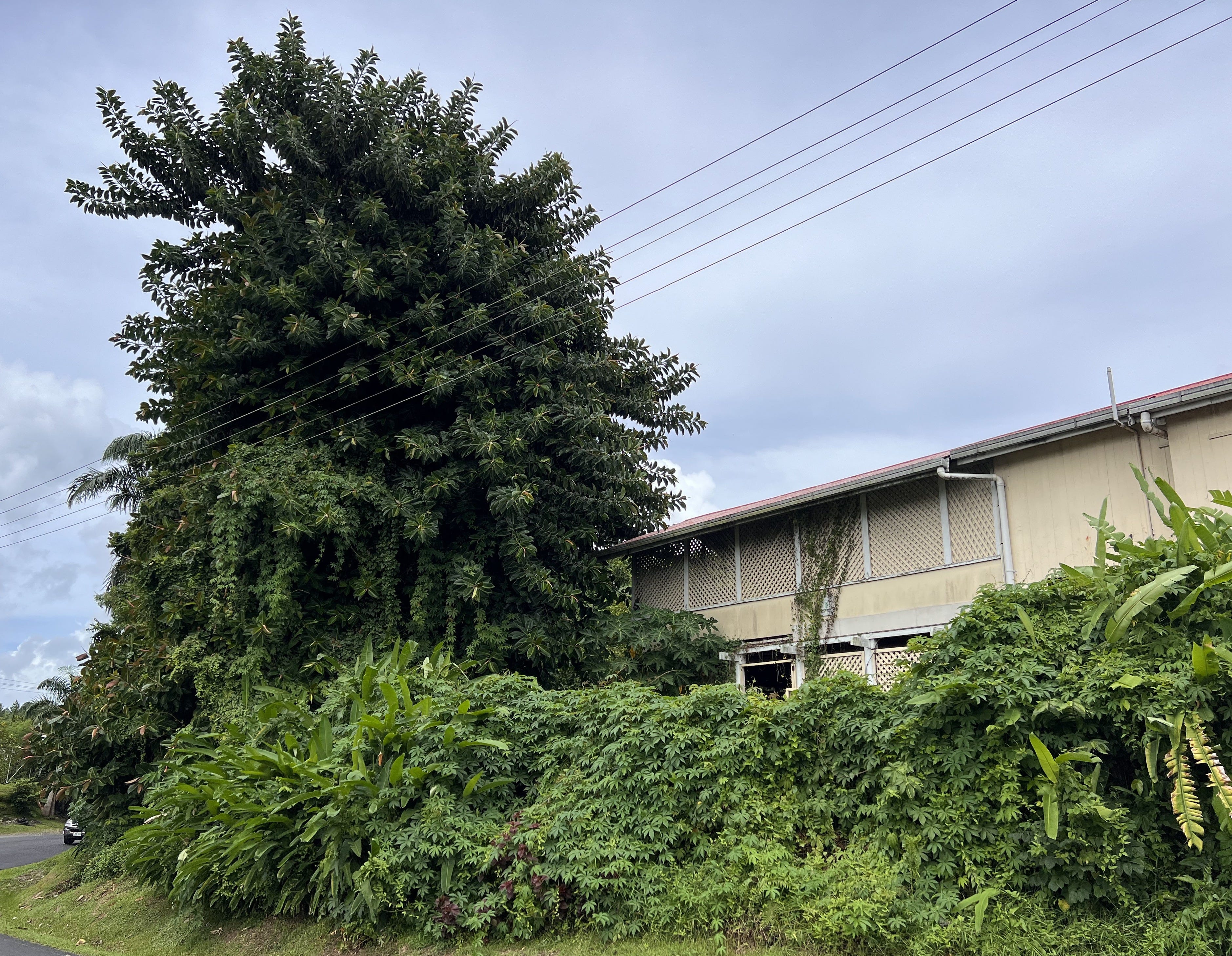
My father lived the fullest of lives, and lit up every room he walked into. While that is an expression often used, it is more than deserved in this case. If you didn’t see him when he walked in, you sure as hell would hear him. He was the great rubber tree with tangled roots and an entire thriving ecosystem that buzzed in his wake. He was the goshawk that startled you in Suva’s urban treetops. He was the twinkle of light on the harbour water, as the sun set over Joske’s Thumb. And he was, at times, both the absolute bane of my existence and the most wonderful man I ever knew.
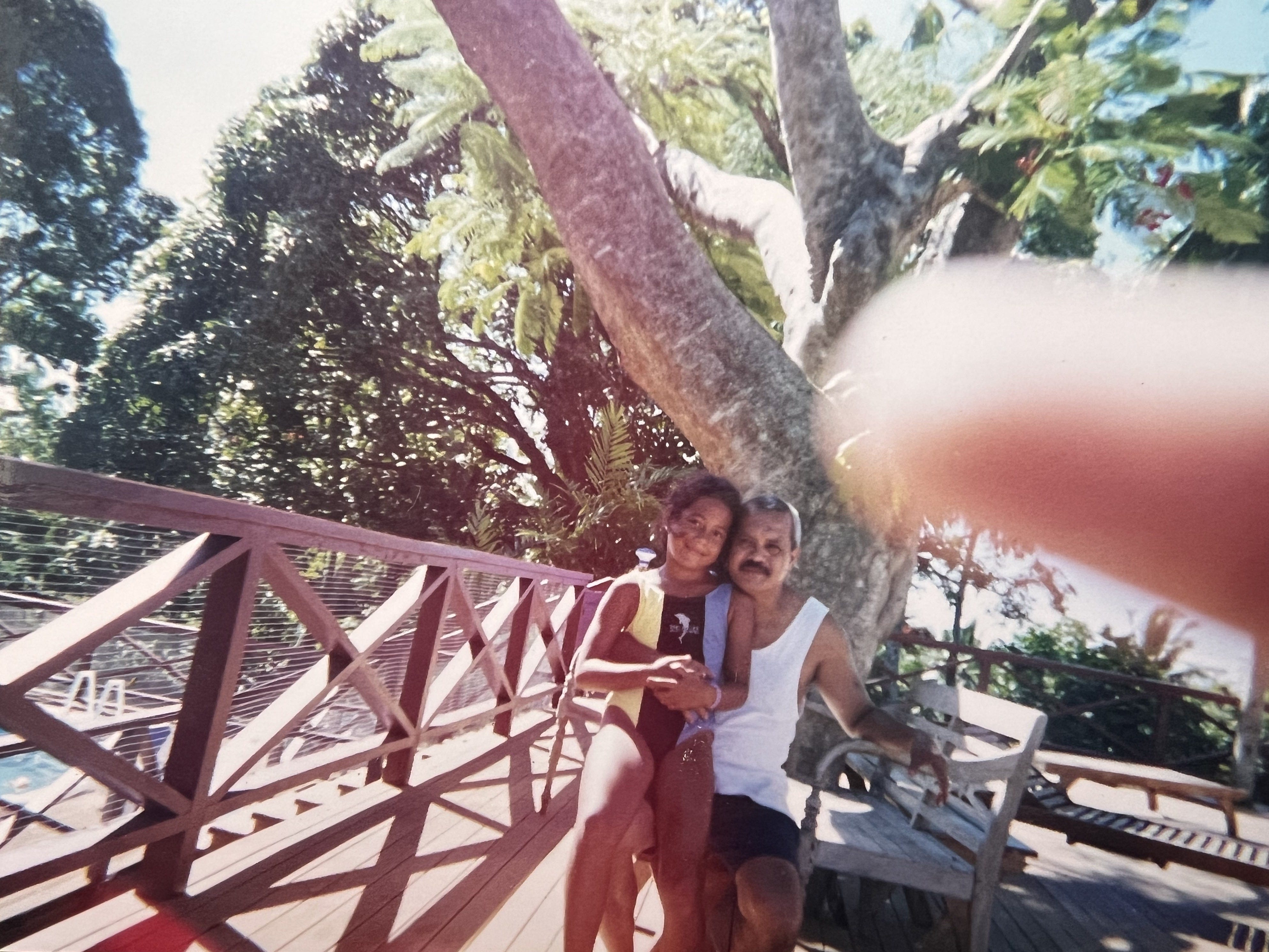
I learnt that the grief of losing a parent is starkly different to that of losing a pregnancy. It is also possibly the closest thing to the reality-shaking impact of a great tree felled. The term “great” need not mean they made a profound impact on the course of history, as James Baldwin or Martin Luther King Jnr did. To be great can simply mean you brought joy and laughter and a kick-ass pot of crab curry into people’s lives, as my father did.
I saw the knotted roots of his life in the scores of relatives that showed up with custard condolences and baked bereavements. I saw the gnarled bark of his wit in the hundreds of jokes his friends had to recount from him. I felt the rustle of his leaves in the quiet gratitude from people I’d never met, telling me stories of the kindness and generosity he had shown them during his life. I was sheltered by the reach of his branches, as offers poured in from around the world (and a few Suva taxi bases) to help with funeral proceedings. And I found solace in the fruit of his legacy, as my siblings and I leaned on each other in ways we never had before.
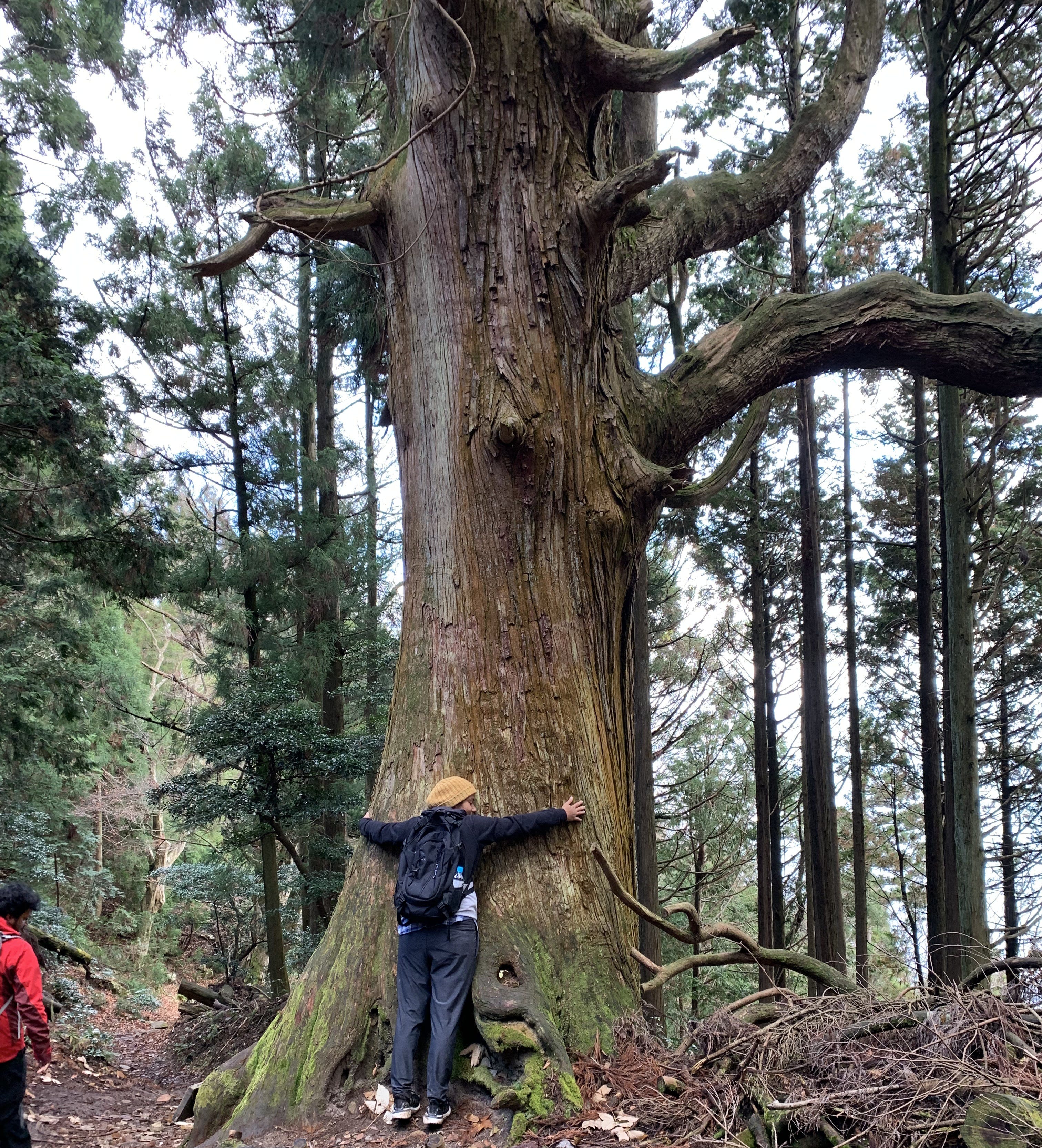
However, like trees, people are not without flaws. Just as fungi flares where rot takes root, so too can our mistakes mark the story of our lives. My father was no exception, he was not a perfect man. However, should a storm pass through, or the heat of the sun become too much, it is not the imperfections or decay we pay attention to in the forest, but the shelter our great ones provide us, doing the very best they can, the best way they know how.
There are only so many ways I can compare this man to a giant of the rainforest, before I need to recognise that I am now forced to live without his shade. The once dappled light is now a full-blown beam, glaring through the hole he’s left in life’s canopy. For a while, this light threatened to expose every “kind word unsaid” and every “promised walk never taken”, as Angelou wrote. It turned the brightness all the way up on my phone as I looked through Viber replies that should have been more than two words, or phone calls that should have lasted longer than five minutes. It turned sterile and stripped bare the shadows of my shame that I didn’t visit more or stay longer when I did.
When great trees in our lives fall, they shake our perception of time and memory. There are moments where I know that I am grateful for the time I had with him, and times where I am furious that I didn’t get more. I am still making sense of the reality that does not have him in it, searching the dust motes in the air around me for some instruction of what to do now that he is gone. Is it easier to ignore the void he has left behind or to fill it with memories of him, the way photographs fill our homes for the people that aren’t in them?
Maybe that’s what the hole in the canopy becomes. Irregular and misshapen, sometimes a gaping vacuum and sometimes a skylight, illuminating the time we had and the time we lost. Maybe we only notice the vastness of the space because we know that something incredible used to occupy it.
I am not yet strong enough to look directly at the space he left behind, but I have started glancing at it from the corner of my eye. There are still dark shadows and a bit of gravel left over in the cave of my heart, and there are still some breaths that are hard to take all the way in. But Maya Angelou knew what she was talking about when she talked about great trees and great souls. And after we hunker down in the wake of their loss, just maybe, the senses we thought were eroded beyond repair will begin to recover.
I hope mine recover enough to hear the cheeky lilt of my father’s voice in my memories one day. Because he existed. He existed. I can be and be better, for he existed.
Thank you for sharing this beautiful reflection and celebration of your father's life <3
❤️